Mediterranean Diet: Health Benefits of Traditional Cuisine
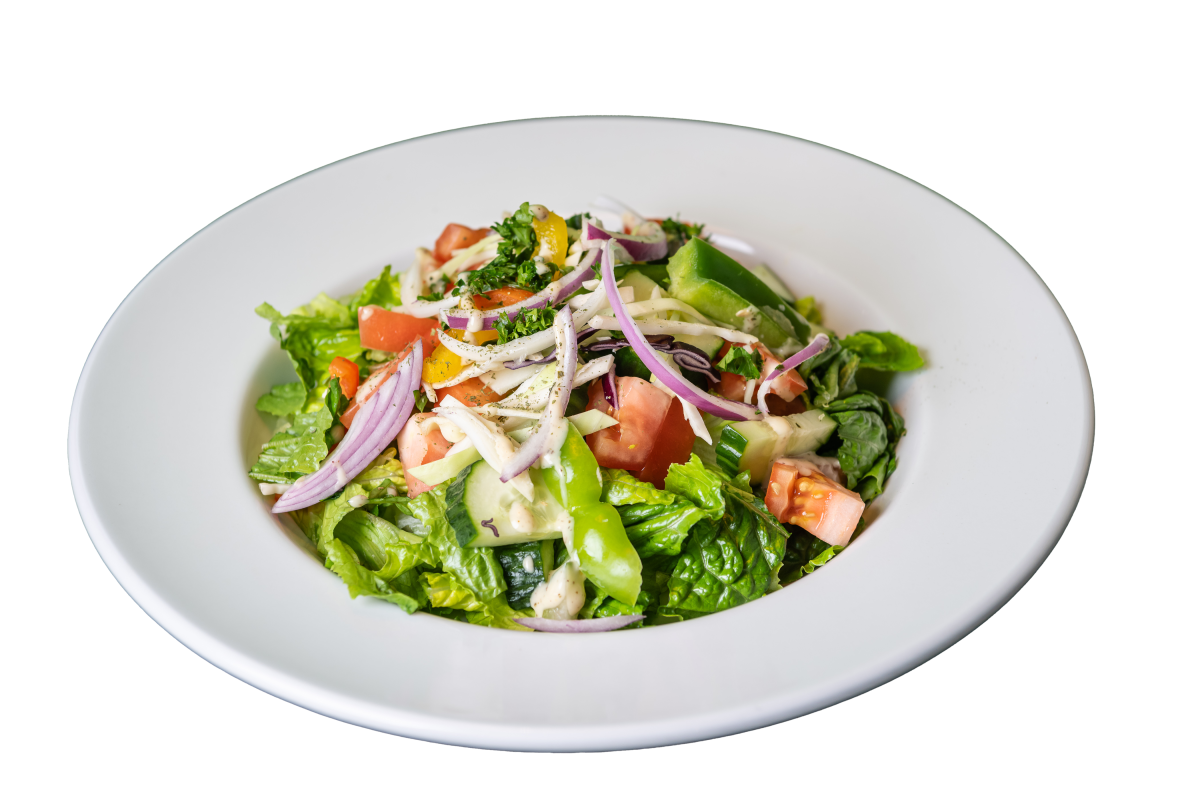
For the seventh consecutive year, the Mediterranean diet has been ranked the world's best overall diet by U.S. News & World Report. The ranking draws on a panel of nutrition scientists and physicians who evaluate dozens of dietary patterns across categories including ease of adherence, heart health, weight management, and long-term sustainability. Seven years at the top is not a coincidence — it is the result of decades of research demonstrating that this way of eating produces measurable, consistent health outcomes.
But what actually makes the Mediterranean diet work? And how does dining at a restaurant like Freddy's Mediterranean Bar & Grill in Hamilton align with the principles that make this food tradition so valuable? This article breaks down the science and connects it to what you can order on James Street South.
What Is the Mediterranean Diet?
The Mediterranean diet is not a single national cuisine — it is a dietary pattern observed across the countries bordering the Mediterranean Sea, including Greece, southern Italy, Spain, Turkey, Lebanon, Israel, and North Africa. Despite regional variations, the pattern shares consistent features:
- High consumption of vegetables, fruits, legumes, and whole grains
- Olive oil as the primary fat source
- Moderate consumption of fish, poultry, eggs, and dairy
- Limited red meat
- Minimal processed food and refined sugar
- Herbs and spices for flavour rather than excess salt
This pattern was first identified by physiologist Ancel Keys in the 1960s, who observed that populations in southern Europe and the Middle East had dramatically lower rates of cardiovascular disease than Americans despite comparable caloric intake. The difference, Keys concluded, was the type of fat and the quality of the food. Olive oil rather than butter. Fish rather than beef. Vegetables at every meal rather than processed sides.
Heart Health: The Most Documented Benefit
The evidence for cardiovascular benefit from the Mediterranean diet is some of the strongest in nutritional science. The PREDIMED study — a landmark Spanish clinical trial published in the New England Journal of Medicine — followed over 7,000 participants for five years and found that those assigned to a Mediterranean diet supplemented with olive oil or nuts had approximately 30% fewer major cardiovascular events (heart attack, stroke, or death from cardiovascular causes) than those following a low-fat diet.
The mechanisms behind this benefit are well understood. Extra virgin olive oil is rich in oleocanthal, a compound with anti-inflammatory properties similar to ibuprofen at high concentrations. The monounsaturated fatty acids in olive oil reduce LDL ("bad") cholesterol without reducing HDL ("good") cholesterol — a balance that most other dietary fats cannot achieve.
Legumes like chickpeas and lentils — the basis of hummus and many Mediterranean sides — contribute soluble fibre that binds to cholesterol in the digestive tract and removes it from the body. This mechanism, combined with the olive oil profile, creates a dietary pattern that actively maintains arterial health over time.
Anti-Inflammation and Longevity
Chronic low-grade inflammation is implicated in nearly every major chronic disease: cardiovascular disease, type 2 diabetes, certain cancers, Alzheimer's disease, and autoimmune conditions. The Mediterranean diet is one of the most comprehensively anti-inflammatory dietary patterns identified in research.
The combination of omega-3 fatty acids (from fish and walnuts), polyphenols (from olive oil, vegetables, and herbs), and the sheer diversity of plant foods creates multiple converging anti-inflammatory pathways. Omega-3s compete directly with omega-6 fatty acids for the enzymes that produce inflammatory signalling molecules, reducing the overall inflammatory load. Polyphenols modulate immune response at the cellular level. High fibre intake supports a diverse gut microbiome, which is increasingly understood as a key regulator of systemic inflammation.
Populations that follow Mediterranean-style diets — particularly in Sardinia, Crete, and parts of Southern Italy — are overrepresented in studies of longevity. These are Blue Zone regions, where an unusual concentration of people live past 100. Diet is not the only factor, but the consistency of the dietary pattern across these populations is striking.
Brain Health and Mental Wellbeing
The connection between Mediterranean eating and brain health has become an increasingly active research area. A 2015 study in JAMA Internal Medicine found that women who followed a Mediterranean diet had significantly better cognitive function over four years than those who did not. More recent work has connected Mediterranean diet adherence to reduced risk of depression and anxiety.
The brain health mechanisms are partly vascular — a brain that receives good blood flow maintains function longer, and the cardiovascular benefits of Mediterranean eating extend to cerebral circulation. But there is also a direct pathway through the gut-brain axis. The diverse, fibre-rich Mediterranean diet feeds a more diverse gut microbiome, and gut microbiome diversity is strongly correlated with mental health outcomes through the production of neurotransmitter precursors including serotonin and GABA.
Weight Management Without Deprivation
The Mediterranean diet is not a weight-loss diet in the conventional sense — it does not restrict calories, ban food groups, or require tracking macros. Yet it consistently outperforms restrictive diets in long-term weight management studies. The reason is adherence: people eat this way long-term because it is satisfying, varied, and enjoyable, while low-fat and calorie-restriction diets are typically abandoned within months.
The satiety properties of Mediterranean eating are well-designed by centuries of necessity. High-fibre legumes and vegetables fill the stomach slowly and maintain fullness over hours. Healthy fats from olive oil and nuts trigger satiety hormones. Protein from grilled meats and fish builds lean muscle tissue, which elevates resting metabolic rate over time. The result is a natural regulation of caloric intake that does not require willpower in the same way that restrictive diets do.
How Freddy's Menu Aligns with Mediterranean Diet Principles
Not all Mediterranean restaurants in Hamilton deliver food that actually reflects the health principles of the cuisine. Deep-frying, processed sauces, excessive salt, and low-quality oils can undermine the nutritional profile of Mediterranean dishes quickly. Here is how Freddy's kitchen approaches the food in a way that maintains the health value.
Grilling over frying. The mixed grill, chicken souvlaki, beef kofta, and lamb chops at Freddy's are all cooked on an open-flame grill. No deep fryer. Grilling reduces fat content significantly compared to frying, preserves the protein structure of the meat, and creates the Maillard reaction crust that develops complex flavour without adding calories.
Whole-ingredient dips. Hummus at Freddy's is made from chickpeas and tahini — two Mediterranean diet staples. Tzatziki uses real Greek yogurt, cucumber, and dill. These are not sauce packets or processed condiments. They are whole-food preparations that deliver fibre, protein, and healthy fat in the form the Mediterranean diet actually prescribes.
Fresh salads with olive oil dressing. The Greek salad and fattoush at Freddy's are dressed with olive oil and herbs. This is the correct version. A Greek salad drowned in a processed Italian-style dressing or a thick commercial vinaigrette loses most of its nutritional value. Olive oil and fresh lemon or vinegar preserve it.
A representative healthy meal at Freddy's might be: chicken souvlaki over lemon rice, a Greek salad, hummus with warm pita, and tzatziki. That combination delivers lean protein, complex carbohydrates, healthy fats, fibre from the chickpeas, and a broad spectrum of micronutrients from the fresh vegetables. It aligns almost exactly with what a nutritionist designing a Mediterranean meal would recommend. You can find us at 163 James St S, Hamilton, Ontario — call (289) 389-1600 or visit to see the full menu.
Mediterranean Food and Halal Dietary Principles
There is a meaningful overlap between the Mediterranean diet's health principles and halal dietary requirements. Both emphasize the quality of animal sourcing, both avoid pork, and both are grounded in food traditions that predate industrialized agriculture. Halal food in Hamilton at Freddy's is not separate from healthy eating — it is continuous with it. The care that goes into halal certification — the sourcing, the preparation, the standards — tends to produce meat of higher quality and cleaner origin than mass-market alternatives.
Making Mediterranean Eating a Habit in Hamilton
The research is clear: the Mediterranean diet is most beneficial when followed consistently over years, not as a brief dietary intervention. For Hamiltonians looking to build this pattern, a restaurant like Freddy's is a practical anchor. Rather than cooking every Mediterranean meal from scratch (which requires stocking a pantry of olive oil, tahini, fresh herbs, and specialty ingredients), you can build Mediterranean eating habits around regular visits to a restaurant that prepares this food correctly.
The best Mediterranean restaurants in Hamilton do more than serve food — they make a healthy dietary pattern accessible and pleasurable, which is the only way any dietary pattern becomes sustainable long-term. Freddy's Mediterranean on James Street South is built precisely for that purpose.
Frequently Asked Questions
The Mediterranean diet is associated with reduced risk of heart disease, lower rates of type 2 diabetes, improved cognitive function, and longer lifespan. Key mechanisms include the anti-inflammatory effects of olive oil and omega-3 rich fish, the high fibre content from legumes and vegetables, and the relatively low consumption of processed food and refined sugar. The PREDIMED trial demonstrated that following a Mediterranean diet reduces cardiovascular events by approximately 30% compared to a low-fat diet.
For heart health specifically, the most beneficial Mediterranean foods are extra virgin olive oil, legumes (chickpeas, lentils), nuts, fresh vegetables, and fruits. In a restaurant setting, dishes like hummus, Greek salad, fattoush, and grilled chicken are particularly heart-healthy choices. Limiting added salt and choosing grilled proteins over heavily sauced dishes maximizes the cardiovascular benefit.
The Mediterranean diet supports healthy weight management without calorie restriction or eliminating entire food groups. The high fibre content of legumes and vegetables creates satiety. The healthy fats from olive oil promote sustained energy rather than blood sugar spikes. Research consistently shows Mediterranean-style eating leads to better long-term weight outcomes than low-fat diets, primarily because people can adhere to it long-term without feeling deprived.
Mediterranean food eaten at a restaurant can be very healthy, depending on how it is prepared. Key factors are: whether proteins are grilled rather than fried, whether fresh vegetables and salads are part of the meal, and whether sauces use whole ingredients like yogurt, tahini, and olive oil. At Freddy's Mediterranean in Hamilton, proteins are grilled over open flame, dips and salads are made fresh, and the menu aligns closely with the whole-food principles that give the Mediterranean diet its health benefits.
Freddy's Mediterranean Bar & Grill prepares food according to traditional Mediterranean methods: proteins are grilled over open flame rather than fried, dips like hummus are made from chickpeas and tahini — both Mediterranean diet staples — salads use fresh produce dressed with olive oil, and the menu prioritizes whole ingredients over processed ones. A meal of chicken souvlaki, Greek salad, and hummus at Freddy's closely mirrors the macronutrient profile that gives the Mediterranean diet its documented health benefits.
Eat Well. Eat Mediterranean.
Freddy's Mediterranean Bar & Grill in Hamilton — where the food is good for you and even better to eat. Visit us at 163 James St S.
View Menu & Reserve